


Choosing the Right Medical Alert System: What Every Family Needs to Know
For many families, the safety of an aging parent is a constant thought at the back of the mind. Whether it is a fear of a sudden fall or a medical emergency while home alone, the anxiety is real for both senior citizens and their adult children. Learning how to choose a medical alert system is one of the most proactive steps you can take to ensure peace of mind and provide your loved ones with the gift of Assured Independence.
The Importance of Quick Response Times
In a medical crisis, every second is a critical variable. A medical alert system acts as a constant tether to professional help.These devices allow seniors to maintain their lifestyle while ensuring that help is just a button press away.
For the "sandwich generation"—middle-aged children balancing their own lives while caring for parents—these systems are not just gadgets. They are essential tools for remote caregiving. By understanding the technology available, you can bridge the gap between safety and autonomy.
Understanding the Different Types of Systems
Before diving into specific features, it is helpful to categorize the hardware available on the market today. Generally, systems fall into two categories:
1. In-Home Systems
These are designed for seniors who spend most of their time at home. They consist of a base station and a wearable pendant or wristband. These systems connect via a traditional landline or a built-in cellular connection.s
2. Mobile GPS Systems
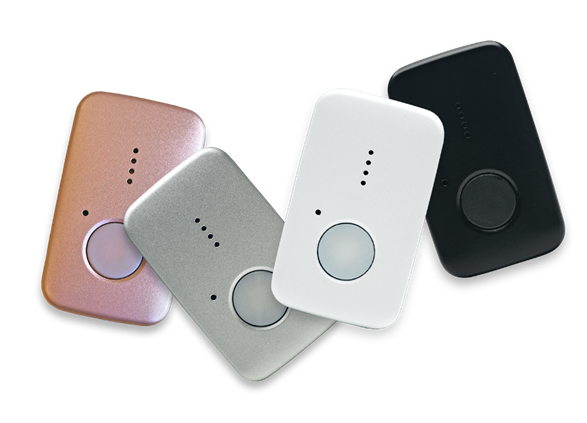
For the active senior, a mobile system is ideal. These devices use cellular technology and GPS to track the user’s location anywhere in the country.If a fall occurs at the grocery store or during a walk, the monitoring center knows exactly where to send emergency services.
Key Features: How to Choose a Medical Alert System
Navigating the sea of technical specifications can be overwhelming. To simplify your search, focus on these five essential pillars of a high-quality system.
Automatic Fall Detection
Fall detection is perhaps the most requested feature by families today. These sensors use accelerometers to detect the sudden downward motion of a fall.If the user is unconscious or unable to press the button, the device automatically alerts the monitoring center.
24/7 Professional Monitoring
Ensure the provider operates U.S.-based monitoring centers with certified dispatchers. Some systems offer "family monitoring," which only alerts contacts, but professional monitoring is the gold standard for life-threatening emergencies.
Range and Battery Life
For in-home units, check the signal range between the pendant and the base station. For mobile units, battery life is the priority. Look for devices that can last 3 to 5 days on a single charge to reduce the "charging burden" on the senior.
Water Resistance
Accidents frequently occur in the bathroom—specifically in the shower or tub.It is vital that the wearable component is waterproof or highly water-resistant so it never has to be removed.
Ease of Use
A medical alert system for elderly users must be intuitive. Look for large buttons, loud speakers, and clear voice prompts. If the technology is too complex, it likely won't be used consistently.Evaluation of Costs and Contracts
When researching how to choose a medical alert system, the financial structure is just as important as the hardware. You should be wary of companies that demand long-term, "iron-clad" contracts.
-
Monthly Fees: Most services range from $20 to $60 per month.
-
Equipment Costs: Some providers charge an upfront fee for the hardware, while others lease it to you.
-
Hidden Fees: Always ask about activation fees, shipping costs, or "restocking fees" if you decide to return the unit.
-
Cancellation Policies: Look for providers that offer a pro-rated refund if the service is no longer needed.
The Role of the Monitoring Center
The hardware is only half of the equation; the human element on the other end of the line is what saves lives. When evaluating a provider, inquire about their dispatcher training. Ideally, the center should be TMA Five Diamond Certified. This ensures that the staff is trained to handle high-stress situations with both efficiency and empathy.
Discussing the Decision with Your Parents
Introducing a medical alert system can be a sensitive topic. Many seniors view it as a loss of independence. Frame the conversation around "safety first" rather than "fragility."
Explain that having a device actually extends their ability to live at home safely. When they realize that Assured Independence is the ultimate goal, they are often much more receptive to wearing a pendant or watch.
Summary Checklist for Families
To make your final decision easier, use this quick checklist when comparing providers:
-
Does it have automatic fall detection?
-
Is the monitoring center U.S.-based and certified?
-
Is the device waterproof?
-
Are there any long-term contracts?
-
Does the mobile unit have reliable GPS tracking?
Conclusion
Selecting a safety solution for your family is a significant responsibility, but it does not have to be a stressful one. By focusing on reliable hardware, transparent pricing, and professional monitoring, you can find a solution that fits your lifestyle. Understanding how to choose a medical alert system empowers you to provide your parents with the security they deserve while giving yourself the peace of mind you need.
Leave a comment