

Medical Alert System for Elderly: Why It Matters More Than Ever
A fall, sudden illness, or medical emergency can happen at any moment. For many families, the biggest concern is whether help will arrive quickly enough if a loved one is alone. This is why a medical alert system for elderly individuals has become an essential safety tool. It allows seniors to call for immediate assistance with the push of a button, giving both older adults and their families greater confidence in everyday life.
As more seniors choose to live independently, reliable emergency support is no longer a luxury. It is a practical solution that protects health, independence, and peace of mind.
What Is a Medical Alert System for Elderly Individuals?
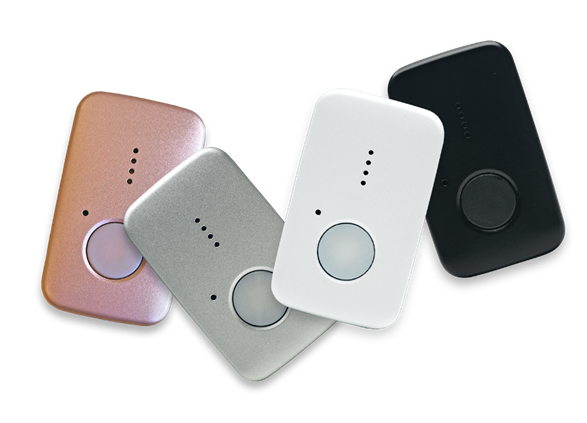
A medical alert system for elderly adults is a device designed to connect seniors with emergency assistance quickly. Most systems include a wearable button or pendant that can alert caregivers, family members, or monitoring centers during an emergency.
Key Components of a Medical Alert System
-
Wearable emergency button or pendant
-
Two-way voice communication
-
24/7 monitoring support
-
GPS tracking for mobile systems
-
Automatic fall detection (in advanced models)
These features help ensure that seniors receive immediate assistance when needed, even if they cannot reach a phone.
Why Seniors Benefit From a Medical Alert System
As people age, certain risks increase. Mobility changes, medical conditions, and slower reaction times can make emergencies more dangerous.
A medical alert system for elderly users addresses these challenges by providing immediate access to help.
Common Risks Seniors Face
-
Falls and balance issues
-
Heart or breathing emergencies
-
Medication complications
-
Delayed response during accidents
According to Centers for Disease Control and Prevention, falls remain one of the leading causes of injury among adults aged 65 and older. Rapid response significantly improves recovery outcomes.
How a Medical Alert System Supports Independent Living
Many seniors prefer aging in place rather than moving to assisted living. However, independence must be balanced with safety.
A medical alert system for elderly individuals helps maintain independence while reducing the risk of delayed emergency response.
Benefits for Seniors
-
Quick access to emergency assistance
-
Greater confidence when living alone
-
Reduced fear of falls or accidents
-
Ability to maintain daily routines safely
Instead of restricting independence, the system strengthens it.
Peace of Mind for Adult Children and Caregivers
Adult children often worry about their parents’ safety, especially when they live far away. Regular phone calls may not provide enough reassurance.
A medical alert system for elderly users offers families reliable protection without constant supervision.
Why Families Choose Medical Alert Systems
-
24/7 emergency monitoring
-
Faster response during critical situations
-
Reduced caregiver stress
-
Protection even when family members are unavailable
For families balancing work, children, and caregiving responsibilities, this support can be invaluable.
Features to Look for in a Medical Alert System
Not all systems provide the same level of reliability. When selecting a medical alert system for elderly adults, it is important to evaluate features that support ease of use and rapid response.
Important Features to Consider
-
24/7 Monitoring Services
Professional monitoring centers ensure that emergencies receive immediate attention. -
Fall Detection Technology
Automatic detection can trigger alerts even if the senior cannot press the button. -
GPS Location Tracking
Helpful for seniors who spend time outside the home. -
Water-Resistant Devices
Protection during bathing or showering, when falls are common. -
Simple Design
Large buttons and clear audio improve usability.
Providers like Assured Independence focus on senior-friendly designs that combine reliability with simplicity.
How Medical Alert Systems Fit Into a Larger Safety Plan
Emergency alert devices work best when combined with other safety strategies. Families should consider a comprehensive approach to senior care.
Practical Safety Steps
-
Organize medications using reliable reminders
-
Maintain clear walkways to reduce fall risk
-
Schedule regular health checkups
-
Install proper home lighting and support rails
-
Use a dependable medical alert system for elderly protection
Addressing Common Concerns About Medical Alert Systems
Some seniors hesitate to use emergency alert devices because they worry about complexity or loss of independence.
Common Questions
Is it difficult to use?
Most systems require only a single button press.
Will it limit independence?
No. It actually supports independent living by providing backup during emergencies.
Is it only for serious health conditions?
No. Any senior living alone can benefit from added protection..
Why Demand for Medical Alert Systems Is Rising
Several trends explain why more families are investing in a medical alert system for elderly loved ones.
Key Factors
-
Growing senior population in the United States
-
Increased preference for aging in place
-
Greater awareness of fall-related injuries
-
Improved technology and accessibility
As these trends continue, medical alert systems will remain an important part of senior care planning.
Conclusion: A Simple Tool That Can Save Lives
A medical alert system for elderly individuals provides immediate access to help when it matters most. It protects seniors from the dangers of delayed emergency response while allowing them to maintain independence and confidence in daily life.
For families, it delivers reassurance that their loved ones are never truly alone during a crisis.
Leave a comment