

Wearable Medical Alert Devices: Finding the Perfect Fit for Your Lifestyle
Does the thought of your elderly mother gardening alone or your father taking his morning walk fill you with concern? What if they need help but can't reach the phone? Wearable medical alert devices have revolutionized senior safety by putting emergency assistance literally at their fingertips—or more accurately, on their wrists, around their necks, or clipped to their clothing. These life-saving technologies allow older adults to maintain their cherished independence while giving families the confidence that help is always just one button press away. Finding the right device requires understanding how different options align with daily routines, personal preferences, and specific health concerns.
Understanding Wearable Medical Alert Technology
Modern emergency response systems have evolved far beyond the bulky pendants of decades past. Today's wearable medical alert devices integrate sophisticated technology into comfortable, stylish designs that seniors actually want to use.
Core Components:
Emergency alert systems typically include three essential elements. A wearable device serves as the primary interface, featuring an emergency button that connects users to help. A monitoring center staffed by trained professionals responds to alerts around the clock. Communication technology enables two-way conversations between users and responders, ensuring proper assessment of each situation.
The devices themselves vary significantly in form factor, features, and functionality. Understanding these differences helps families make informed decisions.
Types of Wearable Medical Alert Devices
Pendant-Style Systems
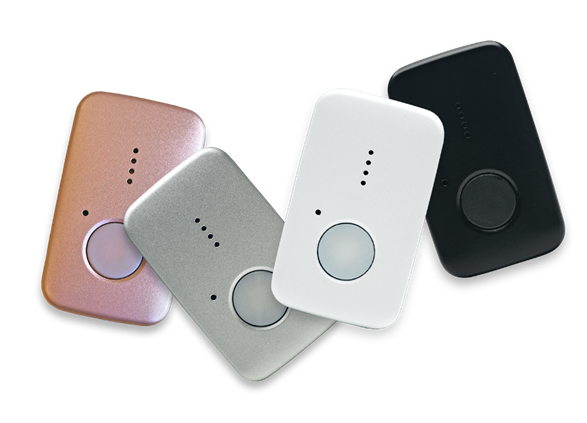
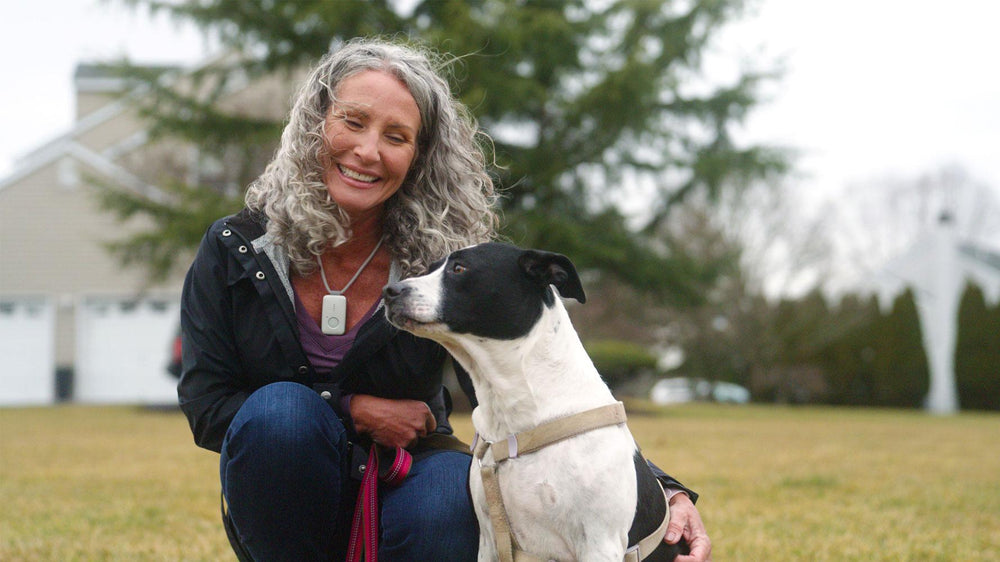
Traditional pendant systems hang from a necklace or lanyard, keeping the emergency button accessible at all times. The guardian medical alarm represents a proven approach that many seniors find comfortable and unobtrusive.
Advantages: Lightweight construction ensures all-day comfort. Waterproof designs allow shower wear. Simple operation requires minimal technical knowledge.
Considerations: Some users dislike the visible appearance. Necklaces can catch on objects during certain activities.
Watch-Style Devices
Smartwatch-inspired alert systems appeal to seniors who prefer modern aesthetics. These devices resemble fitness trackers or regular watches, reducing stigma while providing comprehensive protection.
Advantages: Natural wrist placement feels familiar. Additional features like step counting and medication reminders add value. Discrete appearance encourages consistent wear.
Considerations: Slightly higher cost reflects advanced technology. Charging requirements demand regular attention. Touchscreens may challenge users with arthritis or tremors.
Clip-On Options
Belt clip or clothing-attached devices offer alternatives for those who dislike jewelry-style systems. These units attach securely to belts, waistbands, or shirt pockets.
Advantages: No neck or wrist contact suits certain preferences or medical conditions. Easy removal for clothing changes. Robust construction withstands daily wear.
Considerations: Can be forgotten when changing clothes. Less convenient access during emergencies. May fall off during vigorous activity.
Essential Features to Consider
Fall Detection Capability
Automatic fall detection represents perhaps the most critical advancement in wearable medical alert devices. According to the National Institute on Aging, many seniors who fall cannot get up without assistance. Devices with built-in accelerometers and gyroscopes detect sudden movements and impact patterns consistent with falls, automatically alerting monitoring centers if the wearer doesn't respond within seconds.
This technology proves especially valuable for individuals living alone or those with conditions affecting balance and coordination.
GPS Tracking for Mobile Protection
Location services extend protection beyond the home. GPS-enabled devices work anywhere with cellular coverage, allowing seniors to maintain active lifestyles without sacrificing safety.
Families can track loved ones through companion apps, receiving location updates and movement alerts. This feature provides particular peace of mind for seniors in early dementia stages who may wander or become disoriented.
Two-Way Communication Quality
Clear audio makes the difference between effective emergency response and dangerous confusion. High-quality speakers and microphones ensure users can communicate with monitoring centers even from different rooms.
Some devices incorporate noise cancellation technology that filters background sounds, improving clarity during stressful situations when every second counts.
Battery Life and Charging Convenience
Extended battery life reduces the risk of power failures during emergencies. Most modern devices last between three and seven days per charge, with some offering extended modes for occasional users.
Magnetic charging docks simplify the process for seniors with limited dexterity. Low-battery warnings provide ample time to recharge before power depletion.
Matching Devices to Lifestyle Needs
For Active Seniors
Individuals who golf, garden, or participate in community activities need durable, mobile protection. Water-resistant watches with GPS tracking and long battery life support active lifestyles without compromise.
For Home-Focused Individuals
Seniors who primarily stay home may prefer traditional pendant systems offering reliable protection without unnecessary complexity. Range-tested devices ensure coverage throughout houses and yards.
For Those with Cognitive Decline
Simple, one-button designs work best for users with memory issues or confusion. Automatic features like fall detection compensate for potential delays in manually requesting help.
For Fashion-Conscious Users
Stylish watch designs and decorative pendants address concerns about medical device appearance. Modern options resemble jewelry or accessories rather than clinical equipment.
Service Plans and Monitoring Options
Device capability means nothing without reliable monitoring infrastructure supporting it. Professional monitoring centers provide trained operators who assess situations, contact family members, and dispatch emergency services when necessary.
Contract Considerations:
Monthly versus annual payment plans affect overall costs. Cancellation policies vary significantly between providers. Equipment fees may apply upfront or get waived with long-term commitments.
Assured Independence offers flexible service options designed to accommodate different budgets and preferences. Their transparent pricing eliminates hidden fees that surprise families later.
Making the Right Choice: A Decision Framework
Step 1: Assess Daily Routines
Document a typical week of activities. Note times spent alone, locations visited, and physical challenges encountered. This information reveals which features matter most.
Step 2: Evaluate Health Concerns
Discuss fall risk, chronic conditions, and mobility limitations with healthcare providers. Medical input guides feature prioritization and helps justify costs to insurance companies.
Step 3: Consider User Preferences
Involve seniors in the selection process. Devices worn consistently provide better protection than technically superior options left in drawers. Comfort and aesthetics matter.
Step 4: Compare Total Costs
Calculate long-term expenses including equipment, monthly monitoring, and potential upgrade fees. The cheapest initial option may cost more over time.
Step 5: Test User Experience
Request trial periods or demonstrations. Physical interaction with devices reveals ergonomic issues and usability concerns that specifications cannot convey.
Frequenty Asked Questions
-
Will my parent actually wear it?
Consistent use requires addressing comfort, appearance, and ease of use. Modern wearable medical alert devices accommodate diverse preferences that earlier generations of equipment ignored. -
What happens during power outages?
Quality systems include battery backup for base stations and cellular connectivity that works when landlines fail. -
Can these devices prevent falls?
While devices cannot prevent falls, rapid response minimizes injury severity and complications. Quick medical intervention significantly improves outcomes for hip fractures, head injuries, and other fall-related trauma.
Take the Next Step Toward Enhanced Safety
Selecting wearable medical alert devices represents an investment in independence, dignity, and survival. The right system transforms worry into confidence, allowing families to focus on quality time together rather than constant safety concerns.
Assured Independence specializes in matching seniors with medical alert solutions that truly fit their lives. Our product experts conduct personalized consultations that consider lifestyle, budget, health status, and individual preferences. Schedule your free assessment today and discover how modern wearable technology can protect your loved one without restricting their freedom. Call now or visit our website to compare options and find your family's perfect fit.
Tomorrow's emergency won't wait for you to research options. Protect your loved one today with a device designed for their unique needs and lifestyle. The peace of mind starts with one simple decision.
Leave a comment