

Introduction
Not all medical emergencies announce themselves with clear warning signs. A cardiac arrhythmia can cause sudden collapse without the classic chest pain. A seizure can render a person unconscious within seconds. A blood sugar crash from diabetes can impair judgment and coordination before the person recognizes what is happening. A stroke can strike during an ordinary morning routine.
For people living with chronic or episodic medical conditions, the question of what happens when an emergency occurs — particularly when they are alone — is not hypothetical. It is a daily reality that shapes how they live, where they go, and what they feel they can do.
A medical alert system does not prevent these events from happening. What it does is ensure that when they happen, help arrives as fast as possible. This guide explains exactly how medical alert systems support people living with specific medical conditions, what features matter most for each condition, and what the current evidence and specialist recommendations say.
Understanding the safety challenge of seizure disorders
Seizures present a uniquely complex emergency scenario. Unlike a fall, where the person may retain consciousness and be able to call for help, many seizure types involve loss of consciousness, impaired awareness, or post-ictal (post-seizure) confusion that makes self- rescue impossible.
The types of seizures that create the highest emergency risk are:
- Tonic-clonic seizures (formerly called grand mal) — involve convulsions and loss of consciousness
- Atonic seizures — sudden loss of muscle tone causing immediate collapse ('drop attacks')
- Complex focal seizures — altered awareness; the person may appear awake but cannot respond or call for help
- Status epilepticus — a prolonged seizure or cluster of seizures requiring emergency intervention

Frequently asked questions: seizures and medical alerts
Medical alert devices from Assured Independence do not directly detect seizures. They detect falls (through accelerometer-based fall detection) and respond to manual button presses. For seizure detection capability, speak to your neurologist about dedicated seizure monitoring devices — and consider pairing one with a medical alert response system.
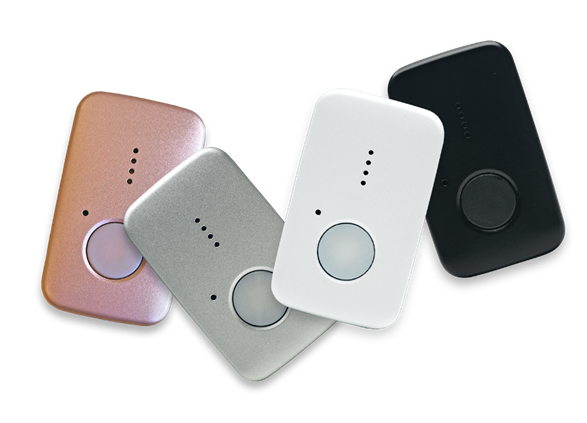
The Assured Independence MGMini is IP67 water resistant, meaning it can withstand submersion in up to 1 meter of water for 30 minutes. It is safe to wear while showering and bathing, which is important given the elevated drowning risk associated with epilepsy.
Assured Independence monitoring specialists receive training in epilepsy emergency protocols. When setting up your account, you can add a medical profile including your condition, your neurologist's contact details, your rescue medication information, and specific instructions for seizure emergencies.
Why heart patients need a response plan
Cardiac emergencies rarely give advance warning. Atrial fibrillation can cause sudden dizziness and collapse. A heart failure episode can progress from breathlessness to incapacitation within minutes. Post-MI patients face a significantly elevated risk of secondary events in the first 12 months after their heart attack.
The survival benefit of early emergency response is well established. For out-of-hospital cardiac arrest, survival rates decrease by approximately 10% for every minute without CPR or defibrillation. A medical alert system that immediately connects a patient to emergency services — without requiring them to search for a phone, dial a number, or speak clearly — can be the difference between survival and death.
Frequently asked questions: heart conditions and medical alerts
No. Medical alert systems from Assured Independence are response tools — they allow you or the monitoring center to call for help, but they do not measure ECG, detect arrhythmias, or identify the physiological signs of a heart attack. If you experience symptoms of a possible heart attack, press your alert button immediately and call 911.
This is exactly why automatic fall detection is critical for cardiac patients. If you collapse due to a cardiac event, loss of consciousness, or syncope, the fall detection algorithm detects the fall and initiates an automatic alert to the monitoring center — no button press required.
Yes. The MGMini is water resistant and lightweight enough to be worn during most forms of exercise, including walking, gentle cycling, and swimming. It is specifically designed to function in motion. The fall detection algorithm is calibrated to minimize false positives during normal exercise.
Assured Independence devices do not emit electromagnetic signals that interfere with pacemakers or implantable cardioverter-defibrillators (ICDs). However, as with any electronic device, we recommend discussing with your cardiologist if you have any concerns about electromagnetic compatibility with your specific device.