

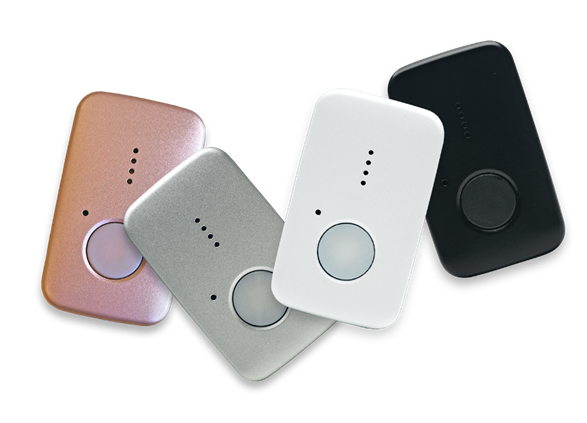

Why Emergency Alert Systems Are Essential for Seniors
A sudden fall, a medical emergency, or an unexpected health episode can change a senior’s life in seconds. For older adults living independently, immediate access to help is critical. An Emergency Alert System provides a reliable, fast, and simple way to summon assistance when every moment matters. For families, it offers reassurance that their loved ones are protected, even when they cannot be physically present.
As the senior population in the United States continues to grow, Emergency Alert Systems are no longer optional. They are a practical safeguard that supports safety, dignity, and long-term independence.
Understanding an Emergency Alert System
An Emergency Alert System is a personal safety solution designed to connect seniors with immediate help during emergencies. Most systems include a wearable device, such as a pendant or wristband, that allows users to contact emergency responders or caregivers with the push of a button.
How Emergency Alert Systems Work
When activated, the system sends an instant signal to a monitoring center or designated contacts. Trained professionals assess the situation and dispatch help as needed.
Key components typically include:
-
Wearable emergency button
-
24/7 monitoring support
-
Two-way communication
-
GPS tracking (for mobile systems)
These features ensure that seniors receive help quickly, whether they are at home or outside.
Why Seniors Face Higher Safety Risks
Aging brings physical and medical changes that increase vulnerability. Many emergencies happen without warning, making immediate response essential.
Common risks include:
-
Falls and mobility challenges
-
Heart conditions or strokes
-
Diabetic emergencies
-
Medication-related complications
According to Centers for Disease Control and Prevention, falls are one of the leading causes of injury among older adults. An Emergency Alert System significantly reduces response time, which can prevent complications and save lives.
Preserving Independence Without Sacrificing Safety
Many seniors value independence and prefer to age in place. However, living alone can increase risk during emergencies. An Emergency Alert System bridges this gap by allowing seniors to maintain autonomy while remaining protected.
Benefits for Seniors
-
Immediate access to help
-
Increased confidence in daily activities
-
Reduced fear of being alone
-
Greater peace of mind
Rather than limiting freedom, the system empowers seniors to live life on their terms.
Peace of Mind for Adult Children and Caregivers
For adult children balancing careers, families, and caregiving responsibilities, constant worry is common. Knowing that a parent can call for help at any time offers measurable relief.
Why Families Choose Emergency Alert Systems
-
24/7 protection without constant supervision
-
Faster emergency response times
-
Reliable communication during crises
-
Support for long-distance caregivers
Trusted providers such as National Institute on Aging emphasize that personal emergency response systems play a vital role in senior safety planning.
Key Features to Look for in an Emergency Alert System
Not all systems are the same. Choosing the right solution ensures maximum protection and usability.
Essential Features to Consider
-
24/7 professional monitoring
-
Fall detection technology
-
GPS-enabled mobile coverage
-
Simple, senior-friendly design
-
Water-resistant wearable devices
Solutions from providers like Assured Independence focus on ease of use, reliability, and real-world safety needs.
Addressing Common Concerns and Misconceptions
Some seniors hesitate to adopt an Emergency Alert System due to misconceptions.
Common Myths Explained
-
“I don’t need one because I’m healthy.”
Emergencies can happen to anyone, regardless of health. -
“It’s too complicated to use.”
Most systems operate with a single button press. -
“I don’t want to bother anyone.”
Emergency services exist to help, not to judge urgency.
Education helps families make informed decisions before an emergency occurs.
How Emergency Alert Systems Support Aging in Place
Aging in place is both cost-effective and emotionally beneficial. An Emergency Alert System supports this goal by reducing the need for constant supervision or early relocation to assisted living facilities.
Long-Term Advantages
-
Lower healthcare costs
-
Reduced hospital readmissions
-
Improved emotional well-being
-
Extended independent living
You can explore more safety planning resources in our Senior Safety Solutions Guide.
Choosing the Right Emergency Alert System
When selecting a system, families should evaluate lifestyle needs, mobility levels, and medical conditions.
Helpful steps include:
-
Assess daily routines and risk factors
-
Compare in-home and mobile systems
-
Review monitoring support and response times
-
Read verified user reviews
-
Choose a trusted provider like Assured Independence
For additional insights, consult Medicare.gov for guidance on senior safety tools and coverage considerations.
Conclusion: A Smart Investment in Safety and Independence
An Emergency Alert System is more than a device. It is a lifeline that protects seniors, supports independence, and reassures families. By reducing emergency response times and providing constant access to help, these systems address one of the most critical challenges of aging safely.
Planning ahead ensures that when an emergency occurs, help is only a button away.
Leave a comment