
Why Falls Increase With Age And How Smart Medical Alert Devices Can Help
Falling is more common among older adults than many people realize, but the causes are usually deep-rooted, and the consequences may be serious. In this article, we look into reasons why older adults fall more frequently, how physical, environmental, and medical causes combine, and how modern medical alert devices and systems add a crucial protective layer-especially for those living alone or with any health condition. Additionally, we take a look at some trusted medical alert devices to add that safety net.
Why Falls Become More Frequent as We Age
1. Changes in the Body That Affect Balance & Mobility
Slower reflexes and reaction time: As a person gets ages, the central nervous system slows a bit — making catching oneself while losing balance a bit more difficult. Small trips or slips can be enough for a fall if the body does not react fast enough.
Muscle atrophy and muscle weakness (Sarcopenia): During advanced stages of life, the musculature mass is lost, especially from the muscles in the legs and abdomen, making an individual feel not as strong for walking steadily or standing.
Changes in vision and depth perception: Eye disorders, like cataracts or diminished clearness of vision in low light levels, diminish depth perception or sharpness. Misjudging a step, a threshold, or a change in floor level often causes missteps.
Inner-ear/ vestibular problems: The balance system in the inner ear (vestibular system) may break down as we age and cause dizziness or unsteadiness when trying to stand up, turn around, or walk-increasing fall risk.
2. Chronic Medical Conditions & Health Problems
A host of medical conditions-especially the chronic, disabling ones that become increasingly prevalent with advancing age-can increase the risk for falls :
Arthritis or joint conditions that reduce mobility and cause stiffness.
Neuropathy (common in diabetics) results in the inability to feel changes in the ground due to nerve damage that causes loss of sensation or numbing of the feet.
Neurological conditions: Parkinson's disease or other disorders affecting gait, coordination, or balance.
Cognitive decline/memory problems: Diseases such as dementia or generalized cognitive impairment may result in confusion, misjudgment, or hazardous movements, especially within new or changing environments.
Fragility of bones, for example, osteoporosis. It does not provoke the falls as such but makes them much more dangerous because fractures or serious trauma occur as a result of what might be a "trifling" slip.
3. Drugs & Side Effects
As people get older, they are often taking more medications -- for blood pressure, heart disease, sleep, anxiety, etc. Some of these medicines can cause:
Dizziness or lightheadedness-particularly when rising from a seated position.
Drowsiness or lowered alertness-as with sleep-aids, sedatives, and some psychiatric medications.
Slower reaction time and impaired coordination.
Side effects may be compounded and instability increases when multiple medicines are used together, known as "polypharmacy".
4. Hazards in the Home Environment
Even a healthy older adult can fall because of environmental hazards:
Poor lightning, especially in the night — in corridors, staircases, bathrooms.
Slippery floors, loose rugs, and uneven surfaces.
Crowded pathways: shoes, mats, bags, cables lying on the floor.
No support structures: absence of grab-bars in bathrooms, no handrails on stairs, and limited stable surfaces to hold onto when rising up or lowering oneself into a seated position.
Inappropriate footwear: loose slippers, shoes with poor grip, and inadequate support.
5. Lifestyle & Other Risk Factors
Sedentary lifestyle: Less physical activity makes muscles weaker, balance poor, and endurance low.
Poor nutrition, deficiencies of calcium or vitamin D, and other conditions may cause impaired bone strength or overall health.
6. Dehydration or sudden blood pressure changes.
Alcohol intake - even moderate amount may disturb balance and coordination.
Poor eyewear - for example, wrong prescription glasses, bifocals, or bi-focals that distort the depth perception.
The True Costs — Why Every Fall Counts
Falls are not just minor slips. For older adults, a fall can lead to:
Fractures of hips, wrists, arms; shattered bones, head injuries.
Loss of mobility or independence.
Hours or even days alone and unattended, lying around, which is very dangerous in cases of living alone.
Psychological impacts include fear of falling again, loss of confidence, and social isolation.
Given the seriousness of the situation, preventing falls or being able to get help quickly after a fall is absolutely critical. It is at this stage that medical alert devices and systems come in.
What is a medical alert system — and how it can help.
A medical alert system, also called a Personal Emergency Response System-PERS, is a device that enables a person to call for help in an emergency when they cannot reach a phone.
There are many variations to medical alert systems which may include:
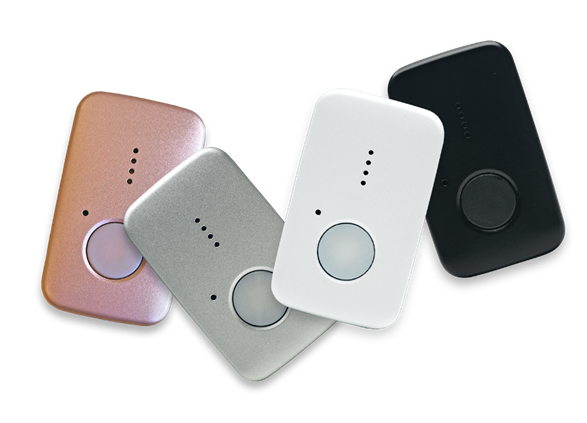
Wearable pendant, wristband, necklace or watch with a “help” button. A great option is automated fall detection which senses most falls when they happen and can automatically trigger help if a fall is detected.
Immediate connection to 24/7 monitoring centers with trained professionals.Should someone press the button on their device or if automated fall detection activates, the device contacts a monitoring center right away. The operator will assist in determining the situation and, if help is needed, notify the appropriate party which could be medical responders, family members, or caregivers.
Coverage inside the home and, for mobile devices, even outside GPS-enabled units-so seniors can stay active, independent, and still safe.
Medical alert systems offer peace of mind, confidence, and an immediate response should anything happen-a fall, dizziness, or fainting, among other emergencies.
Given how common falls are among older adults — and how dangerous they can be — a reliable alert system can make a significant difference.
Why Medical Alert Systems Matter Especially to Seniors
Rapid assistance in case of a fall: With fall detection and monitoring around the clock, help can be summoned even if the person is unconscious or unable to press a button.
Peace of mind for the family and caregiver: real confidence that in the event of a fall, sudden illness, or other emergency, help will arrive quickly.
Independent living support: Helping seniors who want to “age in place” safely — in their own home — retain their independence while providing a safety net if needed.
Not just for falls: Medical alert systems help during other emergencies, too-sudden illness, dizziness, accidents, or even non-medical issues (e.g., home accidents, security concerns).
Someone may want to consider a medical alert device if:
The individual is older, usually 65+, living alone or spending a great deal of time alone.
There are chronic health concerns, including balance problems, neuropathy, arthritis, dizziness, or heart conditions.
They have previously experienced a fall or near-fall.
The home environment has potential hazards such as slippery floors, stairs, poor lighting, and no handrails.
They are frail and can't always get up or don't want to call out for help.
You are a family member or a caregiver and want to be assured of your loved one’s safety and ability to get quick assistance if necessary.
A Medical alert systems is a powerful tool: it doesn't prevent falls-but it ensures that if a fall happens (or any emergency), help is just a button-press-away. A medical alert system can provide security, confidence, and peace of mind-not only for the person who is wearing it but also for their families and loved ones.
Leave a comment